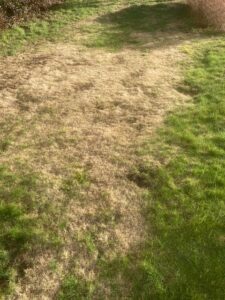
Welcome to the ultimate guide for beginner gardeners and UK homeowners eager to cultivate a lush, healthy lawn using organic and natural methods. Whether you’re dealing with pests, moss, or simply want to enhance your lawn’s beauty, this guide will equip you with the knowledge and tools you need.
Benefits of a Healthy Lawn
A well-maintained lawn is more than just an aesthetic pleasure. It enhances your home’s curb appeal, provides a soft play area for children and pets, and supports local wildlife. Additionally, a healthy lawn improves soil drainage and prevents erosion.
Problems Caused by Neglect
Neglecting your lawn can lead to a host of issues such as pest infestations, moss growth, and poor drainage. These problems can result in unsightly yellow patches, bare spots, and a generally unhealthy appearance.
Organic Lawn Care Solutions
Adopting organic lawn care practices not only benefits the environment but also ensures long-term soil health. By using natural products, you avoid harmful chemicals, making your lawn safer for you. Your children, pets and wildlife.
Understanding Your Lawn (For Beginners)
Common Lawn Problems in the UK
Thin Grass: Often caused by poor soil quality or inadequate nutrients.
Yellow or Brown Patches: Indicate pest damage or nutrient deficiency.
Moss Build-Up: Results from shade, poor drainage, or compacted soil.
Ant Hills: Can disrupt the lawn surface and dry out the soil.
Mole Damage: Moles create unsightly mounds and can damage grass roots.
Signs of Pest Damage
Birds Pecking at Lawn: A sign of pests like leatherjackets or chafer grubs.
Spongy Feel Underfoot: Indicates the presence of pests beneath the surface
Turf Lifting Easily: A common symptom of grub infestations.
The Core Elements of Healthy Lawn Care
Mowing Basics
Cutting Height: Avoid cutting more than a third of the grass blade at a time.
Blade Sharpness: Ensure mower blades are sharp to prevent tearing.
Avoiding Over-Cutting: Maintain a consistent mowing schedule to avoid stress.
Watering Correctly
How Often: Water deeply but infrequently to encourage deep root growth.
Signs of Overwatering/Underwatering: Wilting or yellowing can indicate improper watering.
Feeding Your Lawn
Importance of Nutrients: Regular feeding promotes healthy growth.
Organic Fertiliser Benefits: Use products like our Organic Lawn Fertiliser for a natural boost.
Scarifying & Aeration
What These Mean: Scarifying removes thatch, while aeration alleviates soil compaction.
Why Beginners Shouldn’t Skip Them: Both processes improve drainage and nutrient penetration.
Overseeding for Thicker Grass
When to Do It: Ideal in spring or autumn to fill in bare spots.
How It Helps Prevent Weeds/Moss: A dense lawn naturally suppresses unwanted growth.
Leatherjacket & Chafer Grub Control
What Are Leatherjackets?
Leatherjackets are the larvae of crane flies / daddy long legs, known for causing brown patches and turf damage. They feed on grass roots, leading to weakened lawns.
What Are Chafer Grubs?
Chafer grubs are beetle larvae that also damage lawns by feeding on roots. Signs include birds pecking at the lawn and turf that lifts easily.
Why Nematodes Are the Best Solution
Nematodes are microscopic organisms that naturally control these pests without harming pets or beneficial insects. They are safe, organic, and effective.
When and How to Apply Nematodes
Apply nematodes like the Lawn Nematode Pest Pack when soil temperatures are suitable. Follow the product instructions for best results.
Mowing Guide for Beginners
When to Mow the Lawn
Grass Length Guidelines: Keep grass at a medium height to promote health.
Temperature/Weather Considerations: Avoid mowing in extreme heat or wet conditions.
Can You Mow the Lawn When the Grass Is Wet?
Mowing wet grass is generally not recommended as it can lead to clumping and soil compaction. If necessary, use a sharp blade and a higher cutting setting.
Seasonal Mowing Schedule
Season
Frequency
Height
Tips
Spring
7–10 days
Medium
Start slow
Summer
5–7 days
Higher
Avoid scorching
Autumn
10–14 days
Medium
Mulch leaves
Winter
Rare/none
High
Only if dry
How To Get a Striped/Rolled Lawn
Stripes are created by light reflecting off bent grass blades. Use a roller and alternate mowing directions for a professional look.
How to Look After a New Lawn
First 6–8 Weeks Care
When to Walk on It: Avoid heavy traffic until roots establish.
First Cut Rules: Wait until grass reaches 7–8 cm before the first mow.
Feeding Timeline: Begin feeding after the first cut with a light organic fertiliser.
Light Watering Schedule: Water lightly and frequently to encourage root growth.
Solving Common Lawn Problems Naturally
Moss Control
Moss thrives in shaded, poorly drained areas. Improve sunlight exposure and soil drainage and use natural moss control products.
Mole Control
Moles are attracted to soft, insect-rich soil. Use natural deterrents to manage their presence without harming them.
Ant Control in Lawns
Ant nests can dry out soil and create uneven surfaces. Use natural treatments and improve lawn care practices to prevent infestations.
Test soil pH to ensure optimal growing conditions.
Aerate compacted areas to improve root growth.
Recommended Organic Lawn Products
Explore our Organic Lawn Products for feeding, pest control, repair, and prevention solutions.
Happy Gardening!
Start your journey to a healthier lawn today. Shop our range of Organic Lawn Products and treat pests early with our Lawn Nematode Pest Pack. Follow our seasonal schedule for the best results. If it’s spring, begin with feeding and overseeding to set the foundation for a vibrant lawn.
By following this comprehensive guide, you’ll be well on your way to achieving a lush, green lawn that you can be proud of.