10 Ways to Make Your Garden More Wildlife-Friendly
1 October 2026
10 Ways to Make Your Garden More Wildlife-Friendly
How to Create a Wildlife-Friendly Garden
More gardeners than ever are thinking about how their outdoor space can give something back to nature. A wildlife-friendly garden does exactly that, and the benefits flow both ways. You attract pollinators that improve your harvests, beneficial insects that keep pests in check, and a whole cast of birds, butterflies, and hedgehogs that make every morning in the garden a little more special. Whether you have a sprawling lawn or a compact courtyard, the changes you make can genuinely support local biodiversity for years to come.
Why Create a Wildlife-Friendly Garden?
A garden for wildlife is a healthier garden. When you invite pollinators in, your flowers, fruits, and vegetables perform better. When you encourage beneficial insects like ladybirds and lacewings, they handle aphid problems naturally, reducing your reliance on chemical treatments. Birds control slugs and caterpillars. Hedgehogs munch through beetles and grubs overnight.
The result is a more balanced, resilient ecosystem that largely looks after itself. Supporting biodiversity also connects your garden to the wider environment, creating green corridors that help wildlife move safely through urban and suburban areas. That is sustainable gardening in its truest sense.
1. Plant More Native Flowers and Plants
Native plants are the foundation of any wildlife-friendly garden. Local insects, birds, and other creatures have evolved alongside these species, so they are far more valuable as food sources and habitats than many exotic alternatives.
Excellent choices for pollinators include foxglove, ox-eye daisy, knapweed, and wild marjoram. These nectar-rich flowers support bees, butterflies, and hoverflies across the seasons. Hawthorn and holly make brilliant shrubs for nesting birds and berry-eating wildlife in winter. The key principle: the more native plants you grow, the more wildlife you will attract.
2. Provide Food for Pollinators Throughout the Year
One of the most effective wildlife gardening tips is to think about the whole calendar. Pollinators need food from early spring right through to late autumn. If your garden only blooms in summer, you leave gaps when bees and butterflies are still active but struggling to find nectar.
Plan for early flowers such as hellebores and crocuses to support queen bumblebees emerging in spring. Mid-season plants like lavender and echinacea bridge the summer months. Then ivy, sedums, and late-flowering asters carry pollinators through to the first frosts. Continuous flowering is one of the simplest and most impactful things you can do to attract bees and butterflies.
3. Install Bee Houses
Most people picture honeybees when they think of garden pollinators, but solitary bees are equally important and far more numerous. Species like red mason bees and leafcutter bees are actually more efficient pollinators than honeybees for many plants, including fruit trees and vegetables.
Solitary bees do not live in hives. They nest in hollow stems, crevices, and ready-made cavities. Installing bee houses gives them safe, suitable spots to lay their eggs, directly boosting the number of pollinators visiting your garden each year. You can also introduce solitary bee cocoons to your garden, giving them a safe place to emerge and establish themselves. Their offspring can return the following year to nest and reproduce, helping build a thriving population of solitary bees over time. Position bee houses in a warm, sheltered spot facing south or south-east to give emerging bees and developing cocoons the best conditions.
4. Create Shelter for Ladybirds and Beneficial Insects
Ladybirds are one of the gardener’s greatest allies. A single ladybird can eat up to 5,000 aphids in its lifetime, making them extraordinarily effective at natural pest control without any chemical intervention. Lacewings are equally impressive, with their larvae consuming large quantities of aphids, mites, and small caterpillars.
The challenge is that both insects need somewhere safe to hibernate over winter. Without suitable shelter, many do not survive the cold months. Encouraging beneficial insects into your garden is far easier when you provide dedicated habitats. Ladybird houses simulate the natural crevices these insects seek out, while lacewing chambers provide a sheltered place for lacewings to overwinter. Both give these beneficial insects a safe space to shelter through colder months, helping support healthy populations when they are needed most.
5. Add Water Sources for Wildlife
Water is one of the most overlooked elements of wildlife gardening for beginners. Birds need fresh water daily for drinking and bathing. Bees and other insects drink from
shallow puddles. Hedgehogs travel significant distances each night and benefit enormously from a reliable water source.
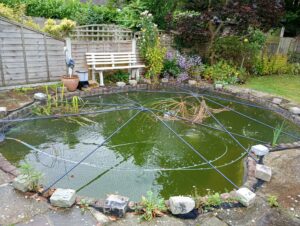
A simple shallow dish filled with clean water and a few pebbles for insects to land on can make a real difference. If space allows, a small
pond becomes one of the richest wildlife habitats you can create, supporting frogs, newts, dragonflies, and countless other species. Change the water in dishes regularly to keep it fresh.
6. Leave Areas of Your Garden Untidy
Tidiness has its place, but a perfectly manicured garden leaves very little room for wildlife. Dead wood, leaf piles, and patches of longer grass are not signs of neglect. They are vital wildlife habitats. Stag beetles depend on rotting wood. Hedgehogs shelter in leaf piles. Grass snakes, slow worms, and countless insects live in taller vegetation.
Sustainable gardening means resisting the urge to clear everything away in autumn. Leave seed heads standing for birds to feed on. Stack a few logs in a quiet corner. Let a patch of grass grow longer near the edges of your garden. These small acts of restraint create the habitats that many species cannot find elsewhere.
7. Encourage Butterflies
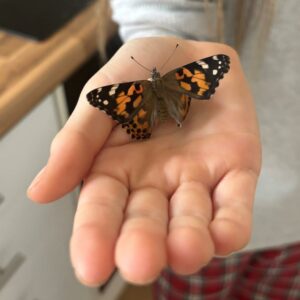
Butterflies need more than just nectar. They also require specific host plants on which to lay their eggs. Caterpillars of the comma butterfly feed on nettles, while brimstones need buckthorn. Leaving a small patch of nettles in a sunny corner is genuinely one of the best things you can do for butterflies and is far more useful than it might appear.
For nectar, buddleia, verbena bonariensis, and scabious are all excellent choices. If you have children at home (or for the child in you), butterfly breeding kits offer a wonderful way to observe the full lifecycle up close, from caterpillar to adult, before releasing native species into your garden.
8. Make Space for Birds
Birds are active pest controllers. Blue tits feed their chicks almost exclusively on caterpillars during the breeding season. Thrushes tackle slugs and snails. Robins follow gardeners with spades, picking off soil insects as they emerge.
To encourage birds into your garden, offer a mix of food sources throughout the year. Berry-bearing shrubs like pyracantha and rowan provide natural food in autumn and winter. Nest boxes with suitable entrance hole sizes attract specific species. A bird feeder positioned safely away from cats keeps garden birds returning reliably, and the activity they bring to your garden is a genuine pleasure.
9. Avoid Unnecessary Chemical Treatments
Chemicals designed to kill pests rarely distinguish between harmful and helpful insects. Broad-spectrum pesticides can decimate populations of the very beneficial insects you are trying to attract. This creates a cycle where pest populations rebound quickly while their natural predators remain depleted.
Organic and biological alternatives are far more targeted. Nematodes, for example, control specific pests like slugs, vine weevils, and leatherjackets in the soil without affecting other wildlife. Read more about organic ways to control garden pests and explore the full range of nematodes available for natural pest management. Reducing chemical use is one of the most significant steps you can take for a genuinely wildlife-friendly garden.
10. Create Wildlife Habitats in Any Size Garden
A small garden can absolutely be wildlife-friendly. Balconies, patios, and courtyards all offer opportunities. A single container planted with nectar-rich flowers attracts pollinators. A bee house mounted on a wall provides solitary bees with nesting sites. A shallow dish of water supports birds and insects where no pond is possible.
Even in the smallest spaces, every habitat you create and every plant you add contributes to the wider ecosystem. Wildlife-friendly garden ideas do not require acres of land. They require thought, a little creativity, and a willingness to share your space with the natural world.
Wildlife-Friendly Gardening Is About Progress, Not Perfection
You do not need to transform your entire garden overnight. Start with one or two changes, whether that is planting a few native flowers, putting up a bee house, or leaving a patch of grass to grow a little longer. Each small step builds on the last, and over time your garden becomes a richer, more connected habitat for the wildlife around you.
A wildlife-friendly garden is more resilient, more self-sustaining, and more alive. It rewards patience with natural pest control, better pollination, and the simple joy of watching nature thrive. There has never been a better time to start.
Frequently Asked Questions
What makes a garden wildlife-friendly?
A wildlife-friendly garden provides food, water, and shelter for a range of species. This includes planting nectar-rich and native plants, adding water sources, installing bee houses or ladybird houses, reducing chemical use, and leaving some areas undisturbed to create natural habitats.
Can a small garden be wildlife-friendly?
Yes. Even a balcony or courtyard can support wildlife. A pot of native flowers attracts pollinators, a shallow dish of water helps birds and insects, and a wall-mounted bee house provides nesting sites for solitary bees. Small spaces can make a meaningful contribution to local biodiversity.
What plants attract wildlife to a garden?
Native plants are the most valuable. Foxglove, ox-eye daisy, knapweed, lavender, and wild marjoram attract bees and butterflies. Berry-bearing shrubs like hawthorn, rowan, and holly provide food for birds. Nettles support butterfly caterpillars. Planting a variety that flowers across different seasons ensures a continuous food source for pollinators.
How do I attract bees and butterflies to my garden?
Plant nectar-rich flowers across a long season, from early spring crocuses to late-flowering sedums. Install bee houses to support solitary bees. Include host plants for butterfly larvae, such as nettles for comma and peacock butterflies. Avoid pesticides that harm pollinators.
What are the benefits of a wildlife garden?
A wildlife garden supports natural pest control through beneficial insects and birds, improves pollination for fruit and vegetables, increases biodiversity, and creates a healthier, more balanced garden ecosystem. It also connects your space to the wider environment, supporting species that are under pressure across the UK.