28 September 2026
How Do Nematodes Work? A Beginner’s Guide to Natural Pest Control
Understanding How Nematodes Work
Many gardeners have heard of nematodes, but not everyone knows how they work. If you’re looking for a safer alternative to chemical pest control, nematodes are one of the most effective and eco-friendly solutions available today.
What Are Nematodes?
Nematodes are tiny, microscopic worms that naturally live in soil. Invisible to the naked eye, they play a vital role in maintaining a healthy garden ecosystem. Most soils already contain nematodes, but using nematodes specifically designed for pest control boosts their numbers to tackle pest problems effectively.
The nematodes used for garden pest control are highly targeted. Each species hunts specific pests, such as slugs or vine weevil grubs, without harming other beneficial soil organisms. This selectivity makes nematodes an environmentally friendly choice for gardeners who want natural results without the risks of chemicals.
How Do Nematodes Work?
Nematodes get to work as soon as they’re applied to moist soil. They move through the thin layer of water around soil particles, searching for their target pests. Once they find a pest, they enter its body and release bacteria that stop it from feeding. Within a few days, the pest dies, releasing a new generation of nematodes back into the soil to continue the process. Take slugs, for example. Slug nematodes enter the slug through its mantle (the saddle-like structure on its back), releasing a bacteria that kills the slug within a few days. These nematodes thrive in soil temperatures of 5°C and above and continue working for weeks.
Typically, you’ll notice fewer pests within a week or two. Each application lasts around six weeks, after which the nematode population naturally diminishes. Reapplying every six weeks during the growing season ensures ongoing pest control.
Which Pests Can Nematodes Control?
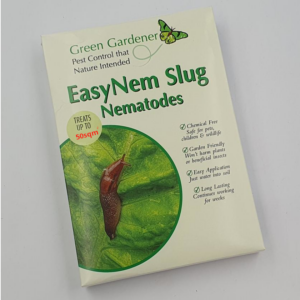

Nematodes are highly versatile and can target a range of common garden pests, including
• Slugs: Nematodes are an excellent natural alternative to slug pellets, controlling slugs both above and below ground.
• Vine weevils: These pests damage plant roots, but specific nematodes can eliminate vine weevil grubs effectively.
• Chafer grubs: Lawn-damaging chafer grubs can be controlled with chafer grub nematodes, helping restore your lawn.
• Leatherjackets: The larvae of crane flies, leatherjackets harm lawns but can be treated with nematode applications.
• Sciarid flies: Effective against these pests, particularly once soil temperatures reach 10°C.
This targeted approach means you can address pest problems without harming beneficial insects or wildlife. Browse the full range of nematodes to find the right species for your garden’s needs.
Why Are Nematodes Eco-Friendly?
Nematodes are ideal for gardeners who want to protect their plants and the planet. As naturally occurring organisms, they fit seamlessly into sustainable gardening practices. Traditional chemical treatments, such as slug pellets, are often harmful to birds, frogs, and hedgehogs, creatures that play an essential role in a balanced garden ecosystem. In contrast, nematodes only target specific pests, leaving beneficial insects, wildlife, and soil health intact.
Nematodes are also approved for use in organic gardening and carry certifications like Soil Association approval. Unlike chemicals, they work even in wet weather, making them a reliable choice for eco-friendly pest control.
When and How to Apply Nematodes

Timing and proper application are crucial for nematodes to work effectively. Here’s what you need to know:
• Timing: Apply nematodes when soil temperatures are 5°C or higher (10°C for some species). This is usually from mid-March to early October, depending on the pest. Reapply every six weeks for continuous protection.
• Mixing: Nematodes come as a powder. Mix the entire pack with water and use immediately.
• Application: Apply nematodes to moist soil using a watering can or applicator. Water the soil before and after application to help the nematodes reach their target pests.
• Weather: Overcast, damp days are ideal. Avoid applying nematodes in bright sunlight or during dry spells.
For small areas, a watering can works perfectly, while hose-end applicators are great for larger spaces.
Are Nematodes Safe?
Yes, nematodes are completely safe for children, pets, and wildlife. They only target specific pests, so you don’t need to worry about harming beneficial creatures or contaminating crops. Even if birds or hedgehogs eat pests controlled by nematodes, they won’t be affected. Treated crops can also be harvested and eaten immediately, offering an added advantage over chemical pesticides.
Why Choose Biological Pest Control?
More gardeners are switching to biological pest control methods, and for good reason. Reducing reliance on chemicals helps protect pollinators, improves biodiversity, and keeps soil healthy in the long term. Nematodes are a perfect fit for this approach, offering targeted pest control while supporting a thriving garden ecosystem.
By choosing nematodes, you’re not just protecting your plants; you’re also contributing to a healthier environment. Explore our full range of nematodes and start transforming your garden naturally today.
Available to buy now
EasyNem Slug Nematodes 100 sqm (Nemaslug Alternative)
Slug nematodes are the NATURAL way to control slugs and our NEW EasyNem Slug Nematodes contains 25% MORE nematodes than…
Box Tree Caterpillar Nematodes
Use these Box Tree Caterpillar Nematodes (containing a unique mix of different nematodes called NemaMix) to control Box Moth Caterpillar…
Leatherjacket Nematodes 100 sqm
Control leatherjackets naturally by treating with Leatherjacket Nematodes containing millions of natural nematodes - mix with water and apply the nematodes (Steinernema…
Ermine Moth Caterpillar Nematodes
If your fruit trees, shrubs and hedges are covered in "webbing" and there are caterpillars in great numbers these are…
